Solo vs Versus in Word Battle
Practice without pressure in Solo, then apply race tactics in Versus lobbies of up to twenty-five players.
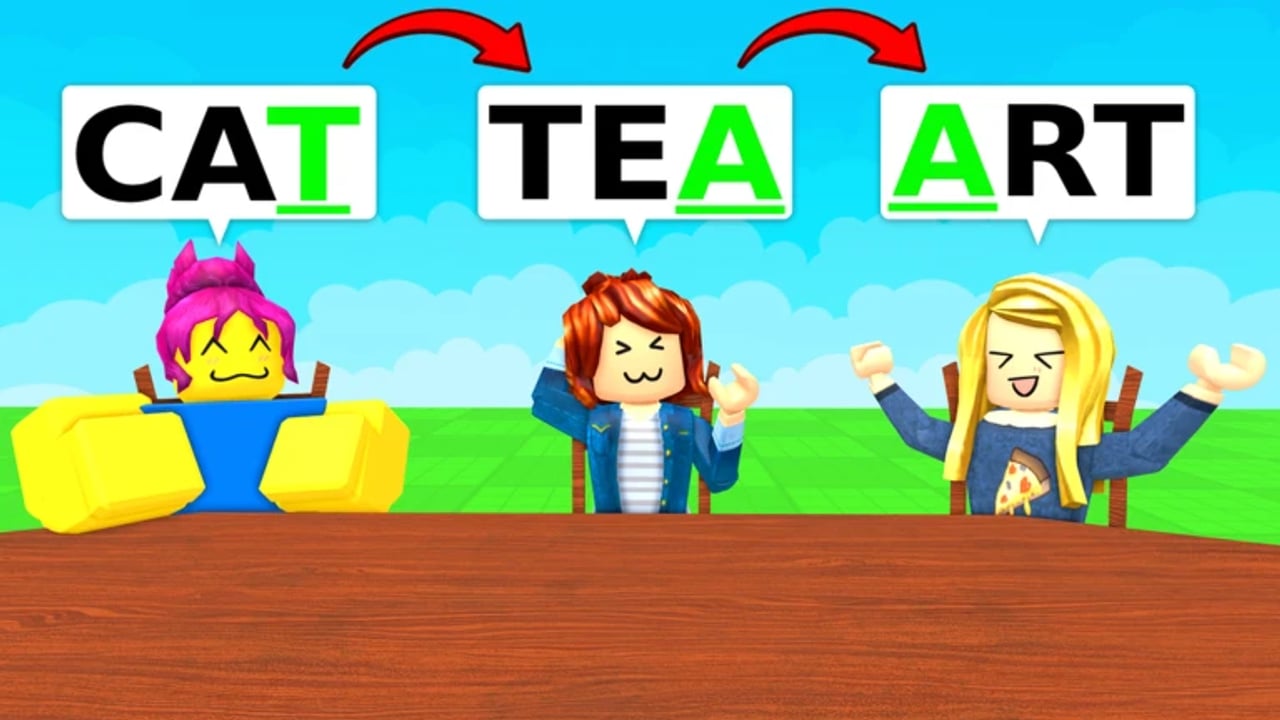
Word Battle! gives you two practical ways to play the same core rules. Solo lets you face letter prompts at your own pace. Versus drops you into a live race with as many as twenty-five players sharing one table, one used-word list, and one path to chair elimination. Choosing the wrong mode for your goal wastes time. This page compares both modes, shows when Solo is the correct lab, and covers Versus race tactics that actually matter once the lobby fills.
If you are brand new, skim Getting Started first, then return here to plan your session type. Player profiles, standout runs, and comparison material live on the Players hub.
Side-by-side comparison
| Topic | Solo | Versus |
|---|---|---|
| Opponents | None | Up to 25 players in a room |
| Core rules | Same letter + no-repeat + timer failures | Same rules under social pressure |
| Pace | You control the learning tempo | Lobby speed and panic set the tempo |
| Best use | Drills, spelling checks, language learning | Ranked-feeling races, leaderboard pushes |
| Boost value | Practice timing safely | Conserve for hard letters and panic seconds |
| Word pool pressure | Mostly your own history in the session | Shared used-word list empties fast |
| Failure cost | Learning data | Public elimination from the chair |
| Ideal mindset | Coach yourself | Compete and adapt |
Both modes still knock you off for wrong letters, repeats, and timeouts. Solo does not invent a kinder dictionary; it removes rival submissions and crowd panic so you can isolate skills.
When to practice Solo
Choose Solo when your goal is improvement rather than spectacle.
Spell-check new words. Before you trust xenon or a language-specific form in a packed lobby, confirm the game accepts it in Solo. Rejected spellings are cheap there and expensive in Versus.
Hard-letter ladders. Run the Q/X/Z/J drills from the Hard Letters guide without twenty people racing the same prompt. Build instant, backup, and deep tiers, then stress-test them later.
Language onboarding. Each language has its own word set. If you are switching from English to Portuguese, Spanish, German, French, Italian, or Indonesian, Solo is where you discover which letters suddenly feel hard. See Languages.
Boost timing reps. Practice activating a Boost the moment a stall begins, not after pride burns two seconds. Details are on the Boosts guide.
Tilt reset. After a brutal Versus elimination streak, one clean Solo block rebuilds confidence before you queue again.
A focused Solo block can be five to ten minutes. Longer than that often turns into unfocused wandering. Set a letter target, finish the reps, leave.
When Versus is the right call
Choose Versus when you need the real skill: performing the rules under noise.
Shared word depletion. In a full room, cat, car, and cake can vanish quickly. Versus teaches ladder jumping under time pressure in a way Solo cannot fake.
Timer reading. Watching how many players are still typing teaches you when a light delay might pressure others and when delay is suicide. Creator runs such as Mitch Marsell’s challenge highlight that panic window; the full rules context sits on How to Play.
Leaderboard ambition. Global rankings care about match results across sessions. Solo builds the engine; Versus posts the result.
Social adaptation. Some lobbies are full of speed typists; others stall on hard letters. Versus forces you to read the table and change tactics mid-match.
Versus race tactics that work
1. Open with boring accuracy
Early letters are for survival, not vocabulary flex. Submit short legal words. Protect Boosts. Let weaker players eliminate themselves on later traps.
2. Keep a visible ladder in your head
For the active letter, know choice one and choice two before the UI even settles. If choice one is used, type choice two without mourning.
3. Use pressure only with a locked word
If you already know quiet, you may wait until the timer gets low to shake hesitant opponents. If you do not know a word, do not bluff. Pressure without a locked answer is self-elimination.
4. Boost on recognition, not on hope
Hard letter plus blank mind equals early Boost. Easy letter plus blank mind equals category recall first, Boost only if the clock is critical.
5. Track the letters that kill you
After each Versus match, write the letter that knocked you off and one replacement word. That note becomes tomorrow’s Solo plan.
6. Respect mobile limits
On touch keyboards, favor shorter words and earlier submits. Desktop players can entertain slightly longer backups, but nobody wins a mistype argument with the timer.
Session templates
Beginner evening
- Five minutes Solo on hard letters.
- One Versus match with a single goal: zero wrong-letter fails.
- Two minutes of notes.
- Optional second Versus match only if tilt is low.
Intermediate climb
- Solo confirm any new bank words.
- Two Versus matches focusing on Boost conservation.
- Review against the Tier List.
- Check Players for ideas on what strong runs look like.
Language swap day
- Solo only in the new language for ten minutes.
- One low-stakes Versus match in that language.
- Rebuild hard-letter ladders from what actually failed.
Myths to ignore
Myth: Solo is only for beginners.
Reality: Veterans use Solo to validate spellings and warm rare letters before serious lobbies.
Myth: Versus alone makes you better.
Reality: Versus without notes repeats the same eliminations forever.
Myth: You should always delay for pressure.
Reality: Delay is conditional. Locked word plus multiple stuck opponents can justify it; blank mind never does.
Myth: Boosts are for showing off long words.
Reality: Boosts are runway for legal survival. Conserve them for Q/X/Z/J and panic seconds.
Bot modes ladder between Solo and Versus
When you want paced opposition without a full human lobby, climb the official bot difficulties documented on Bot Modes: Easy, Normal, Hard, and Impossible. Each clear has a matching defeat badge, and Impossible teases exclusive titles and skins coming soon. Use bots after Solo installs and before or between Versus races so you practice composure without chat noise - then return to humans so shared word depletion stays honest.
How modes connect to the rest of the wiki
- Learn onboarding flow on Getting Started.
- Master failure rules and pressure theory on How to Play.
- Spend time extensions wisely with Boosts.
- Drill trap prompts on Hard Letters.
- Climb structured AI pressure on Bot Modes.
- Rank letter difficulty on the Tier List.
- Study standout players on Players.
- Watch beta changes on Updates.
Solo and Versus are not rival lifestyles. They are two stations on the same practice loop. Use Solo to install words and timing. Use Versus to prove those installs under a shared word list and a loud timer. When your Solo ladders start showing up automatically in deep lobbies, you will feel the difference: fewer pride Boosts, fewer blank X rounds, and more matches where your chair is still occupied when the field shrinks.
Frequently Asked Questions
Quick answers to the most common Word Battle questions.
What is the difference between Solo and Versus in Word Battle?
Both modes use the same letter and no-repeat rules, but Versus races up to twenty-five players in real time while Solo lets you practice without opponents.
When should I play Solo?
Use Solo to test spellings, drill hard letters, learn a new language word set, and practice Boost timing before serious lobbies.
When should I play Versus?
Play Versus when you want shared word-pool pressure, timer reading, leaderboard progress, and real elimination stakes.
Can I use timer pressure tactics in Solo?
You can rehearse delay timing, but pressure only matters against human opponents. Test the habit carefully in Versus with a word already locked.
Where can I compare strong Word Battle players?
Check the Players hub for standout runs and profiles, then bring those ideas back into your Solo drills and Versus tactics.