Getting Started with Word Battle
Sit down, learn the three failure rules, and finish your first match without panic.
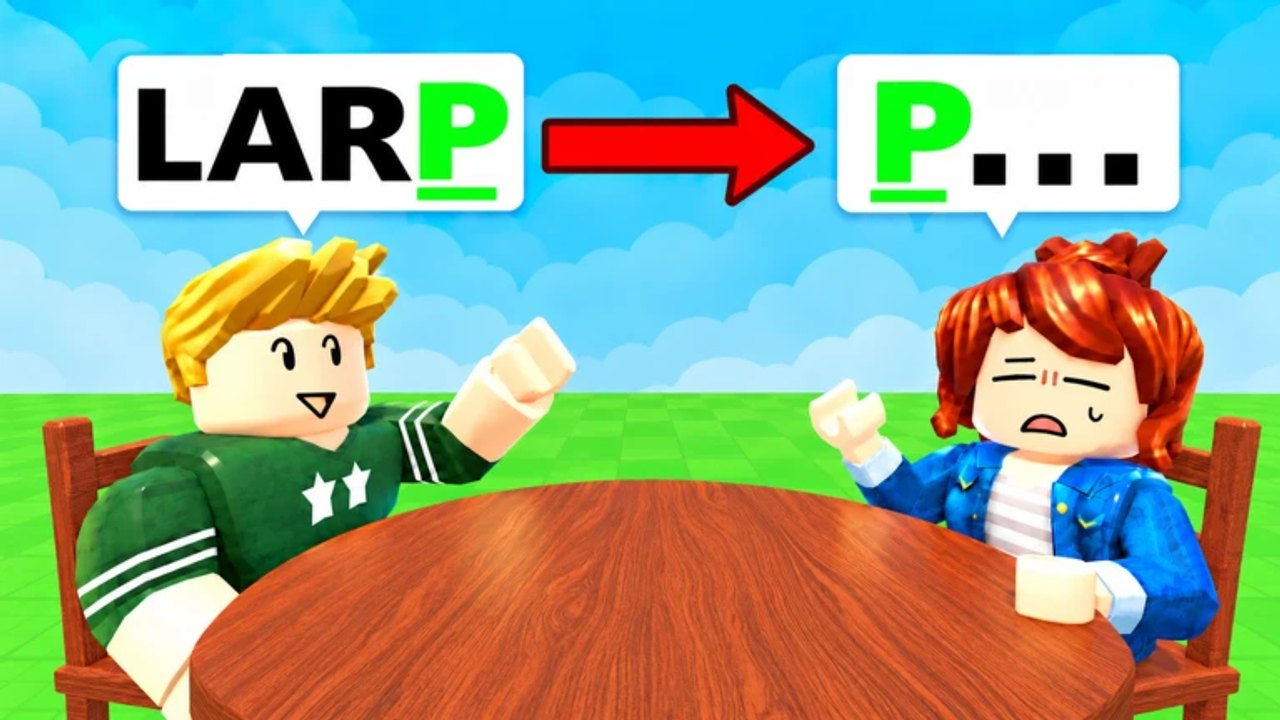
Word Battle! by Table IDK Games is a Roblox typing race still in beta. You sit at a shared table with up to twenty-five players, the game flashes a letter, and everyone races to type a valid word that starts with that letter. Words already used in the same match are banned. Fail the letter, repeat a word, or run out of time, and you get knocked off your chair. This guide is the day-one path: how to join, how elimination works, a first-match checklist, and where to go next on this wiki.
Join the experience and sit at a table
Open the Roblox page for Word Battle! and press Play. After you load in, walk to an open chair at a table and sit. The table is the match arena. Until enough players are seated, you may see a waiting message. Once the match starts, every seated player shares the same letter prompt and the same growing list of used words.
You do not need a complicated loadout before your first round. Focus on sitting, watching the letter, and typing cleanly. Keyboard players usually have an edge on raw speed, but mobile players can compete if they keep a short mental bank of easy words ready. If the lobby feels empty, wait a moment or rejoin; rooms fill quickly during peak hours.
Understand chair elimination
Chair elimination is the whole tension of Word Battle. Three mistakes end your run for that match:
- Wrong starting letter - the word must begin with the letter the game shows. No exceptions.
- Repeated word - any word already typed in the current match is locked for everyone, including you.
- Timer failure - if you cannot submit a valid word before time runs out, you fall.
Getting knocked off your chair ends your participation in that match. Survivors keep racing through more letters as the pool of remaining words shrinks. Late-game letters feel brutal because common words are already spent. That is normal; plan for it instead of freezing.
Boosts exist to buy extra thinking time. Do not burn them on easy letters like A, B, or S during your first hours. Save them for Q, X, Z, J, or a panic timer when your mind blanks. Full usage tips live on the Boosts guide.
First match checklist
Use this short checklist before and during your first few Versus matches:
- Confirm you are seated and can see the letter UI clearly.
- Decide your language before the race gets loud; English is the default learning path for many players, but the game also supports Portuguese, Spanish, German, French, Italian, and Indonesian. Details are on the Languages guide.
- Pre-load a tiny word bank in your head for hard letters: queen, quiz, xenon, xylophone, zebra, zoo, jacket, jungle. Expand that list later with the Hard Letters guide.
- Type short, high-confidence words first. Fancy vocabulary loses to a clean three-letter answer that submits on time.
- Watch the used-word list when you can. If cat is gone, jump to car, cake, or cactus without retyping the dead word.
- Keep one Boost ready for a late Q/X/Z/J or a near-empty timer.
- After you fall, review which letter beat you and add two new words for that letter before the next queue.
Solo mode is the best warm-up when you are not ready for a full lobby. Practice pacing, spelling, and letter categories without twenty rivals racing you. Compare modes on Solo vs Versus.
Core rules to memorize before round two
Word Battle looks simple, but the no-repeat rule turns every long match into a vocabulary stress test. The letter prompt is shared. Speed matters because the first valid submission wins the exchange pressure, and slow players feel the timer harder as the table thins. With a dictionary pool advertised above five million words across supported languages, the limit is rarely “the game has no word”; the limit is whether you can recall one that has not already been used.
Leaderboards track strong performances across sessions. Treat early matches as practice for consistency rather than chasing rank. Consistency means fewer wrong letters, fewer repeats, and calm Boost timing. Once that baseline feels automatic, you can add pressure tactics such as holding a ready word until the timer gets low so weaker players panic-submit and fall. That idea shows up in creator runs like Mitch Marsell’s challenge video covered in How to Play.
Where to go next on this wiki
After one or two matches, branch into the pages that answer the searches most new players make:
- Codes - redeem active promo codes when the experience drops gifts.
- How to Play - full rules, timer pressure, and mid-match strategy.
- Boosts - when to spend time extensions and when to hold.
- Hard Letters - drills for Q, X, Z, J, and other rough prompts.
- Solo vs Versus - practice plan versus lobby race tactics.
- Tier List - letter difficulty rankings so you know what to drill first.
- Updates - patch notes and beta changes from Table IDK Games.
Bookmark the Guides hub and return after each session with one concrete goal: one new hard-letter list, one cleaner Boost habit, or one language switch test. Word Battle rewards players who treat vocabulary like a warm-up routine instead of a panic skill.
Common first-hour mistakes
New players often type the first word that appears in their head even when it was already used two rounds ago. Slow down enough to glance at recent submissions when the UI allows it. Another mistake is saving zero Boosts and then face-planting on the first X. A third mistake is switching languages mid-match without realizing each language has its own word set; pick one lane for the session.
Spelling errors count as failures if the game rejects the string. If you are unsure of a spelling, choose a shorter backup word you can type without hesitation. In a twenty-five player room, hesitation is what knocks people off chairs more often than a shallow vocabulary.
Build a simple practice loop
A reliable day-one loop looks like this: five minutes of Solo on hard letters, one Versus match focused only on survival past the early easy letters, then two minutes writing down every letter that eliminated you. Tomorrow, add those words to your personal bank and repeat. Pair that loop with the Tier List so you spend practice time on letters that actually decide matches.
When you can survive deep into a full lobby without burning every Boost on the first scare, you are ready for advanced pages: Boost conservation, language climbing, and player comparison on the Players hub. Until then, keep the goal humble-stay in the chair one letter longer than last time.
Word Battle is still evolving in beta, so expect UI tweaks and balance changes. Recheck Updates after bigger patches, then return here if you need the onboarding path again. Sit down, type clean words, protect your Boosts, and use this wiki whenever a letter blanks your mind.
Frequently Asked Questions
Quick answers to the most common Word Battle questions.
How do I start my first Word Battle match?
Join the Roblox experience, sit at an open table chair, and wait for the letter prompt. Type a word that starts with that letter before the timer ends.
What knocks me off my chair?
Three failures end your run: a word that does not start with the given letter, a word already used in the match, or running out of time.
Should I use Boosts in my first match?
Keep at least one Boost for hard letters like Q, X, Z, or J, or for a panic timer. Do not spend them on easy early letters.
Where should I go after this getting started page?
Read How to Play for full rules, then Boosts, Hard Letters, and Solo vs Versus. Check Codes and Updates for gifts and patch notes.
Is Solo mode useful for beginners?
Yes. Solo lets you practice letter prompts and the no-repeat rule without racing up to twenty-five other players.