How to Use Boosts in Word Battle
Extend the timer when it matters - hard letters and panic seconds, not easy openers.
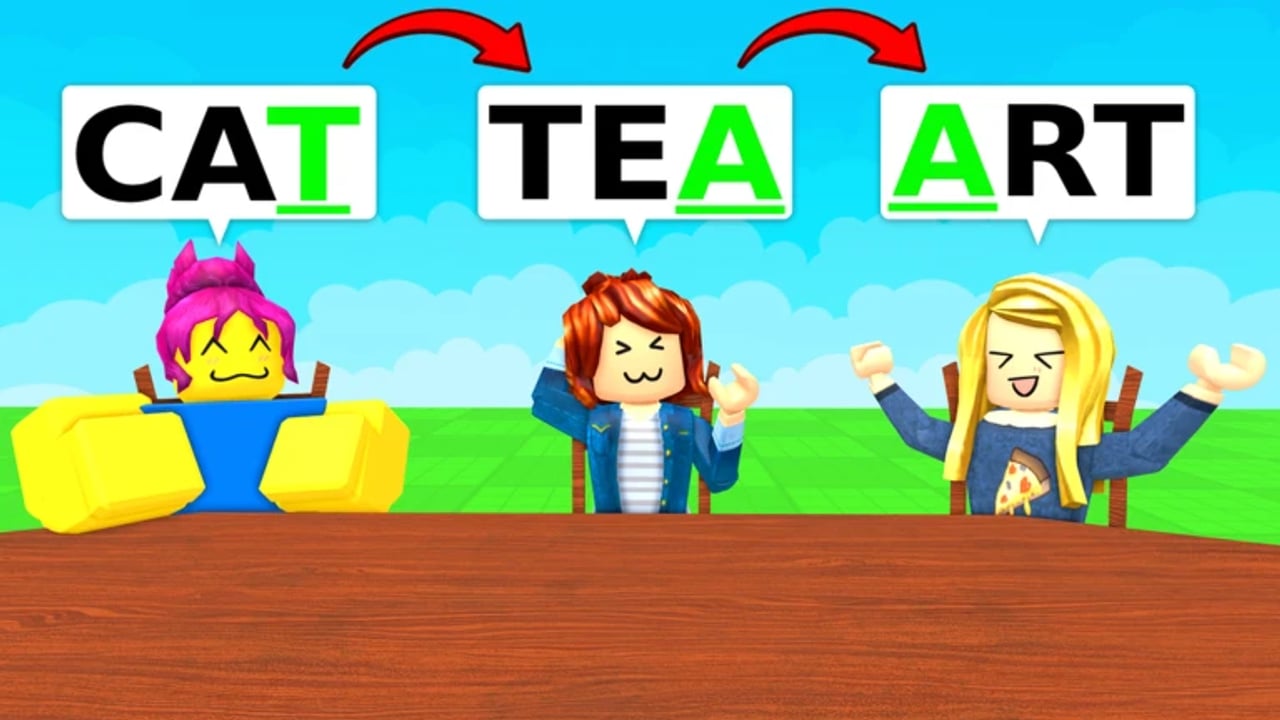
Boosts are the main recovery tool in Word Battle! by Table IDK Games. A Boost extends the time you have to think of and type a valid word. It does not skip the letter rule, it does not unlock repeats, and it does not type for you. Used well, Boosts turn a blank mind into a survived round. Used poorly, they disappear on easy letters and leave you helpless when Q, X, Z, or J arrives in a deep Versus lobby.
This guide explains when to activate Boosts, how to conserve them, how panic-timer usage works, and how Boosts connect to hard-letter prep and core rules from How to Play.
What a Boost actually does
During a letter prompt, you have a limited window to submit a legal unused word that starts with the shown letter. Activating a Boost lengthens that window. The extra seconds are for recall and clean typing. If your vocabulary bank is empty for that letter, the Boost only delays elimination. That is why Boost strategy and hard-letter drilling belong together.
Think of Boosts as emergency runway, not a score multiplier. The win condition is still a correct word before failure. Rooms can hold up to twenty-five players, so many matches last long enough for several hard prompts. Players who spend everything early often fall the moment the alphabet gets ugly.
Conserve for Q, X, Z, and J
Most English-speaking players feel sharp on A, B, C, M, P, S, and T. Those letters have huge everyday banks. Q, X, Z, and J are the classic traps because everyday speech gives you fewer instant options, and in a long match the obvious ones get taken.
Default conservation rule: do not Boost easy letters. If the prompt is S and you can type sun immediately, just type sun. Spending a Boost to invent a flashy seven-letter S-word is a loss of future safety.
Default spend rule: if the prompt is Q, X, Z, or J and your first half-second recall fails, prepare to Boost. Waiting until the final blink is riskier than boosting as soon as you recognize the stall.
Build a tiny locked list for those letters and rehearse it in Solo:
- Q: queen, quick, quiz, quiet, quest, quilt
- X: xenon, xylophone, x-ray (if accepted in your language set), xerox-style forms only if valid
- Z: zoo, zone, zero, zebra, zigzag
- J: jam, jump, jacket, jungle, joke
Exact accepted spellings depend on the active language dictionary. Confirm favorites in Solo before you trust them in Versus. Expand the lists with the Hard Letters guide and rank drill priority with the Tier List.
Panic timer usage
Sometimes the letter is not rare; your brain simply locks. Panic timer usage means activating a Boost when the clock is nearly empty and you are mid-recall or mid-retype.
Good panic Boosts:
- You almost have the word and need two more seconds to finish typing.
- You rejected a repeated word late and need a clean backup.
- Autocorrect or a fat-finger error forced a rewrite with almost no time left.
Bad panic Boosts:
- You have no candidate word at all and are hoping the universe invents one.
- You are delaying on purpose for pressure tactics but mis-timed the bluff.
- You Boost, then stare, then type a word that was already used.
If you Boost with no plan, spend the first extended second picking any short legal word from a category (animal, food, place). Category prompts beat open-ended panic. That technique is covered more deeply on the hard-letters page.
Early match vs late match Boost value
Early match value is low. Many players are still alive, common words are free, and a fall hurts less for learning. Late match value is high. The used-word list is bloated, survivors are stronger, and one hard letter can end a long run.
A practical split:
- First third of a match: Boost only for true hard letters or genuine technical mistakes.
- Middle third: Boost for hard letters and for repeats that kill your first choice.
- Final chairs: Boost aggressively if a single survival moment is worth more than saving stock for a match you may not reach.
Creator runs sometimes show players holding submissions to pressure others. That tactic burns timer. If you play pressure games, keep a Boost ready as insurance for your own bluff. Without insurance, timer pressure is just self-elimination with style.
Boosts and language switching
Each supported language - English, Portuguese, Spanish, German, French, Italian, Indonesian - has its own word set. A Boost does not translate for you. If you switch languages to climb or to learn, your hard-letter list changes and your Boost timing should follow the new weak spots. French or German players may fear different letters than English players. Rebuild your conserve list per language instead of copying English Q/X/Z/J blindly. See Languages.
Common Boost mistakes
- Ego spending - Boosting to type a longer word when a short legal word is free.
- Zero reserve - Entering a deep lobby with no Boost left for the first X.
- Late pride - Refusing to Boost at three seconds because you “should” know a word.
- No follow-up drill - Surviving with a Boost, then never adding that letter to Solo practice.
- Ignoring repeats - Boosting and then typing a burned word anyway.
Fix the mistakes with a simple after-match note: letter, whether you Boosted, whether the Boost produced a word, and one new backup word. That note turns Boost use into training data.
Pair Boosts with a warm-up routine
Before serious Versus sessions:
- Two minutes of Solo on Q/X/Z/J.
- Confirm at least three words per hard letter.
- Enter Versus with a mental rule: first Boost reserved for a hard letter or a sub-three-second panic.
- After the match, update your list and skim Updates if the beta patched timers or items.
New players should finish Getting Started first, then return here. Veterans who already know the rules can treat this page as a conservation checklist before ranked-feeling lobbies and leaderboard pushes.
Decision cheat sheet
- Easy letter + known word → type, no Boost.
- Easy letter + blank mind → category recall; Boost only if timer is critical.
- Hard letter + known word → type; optional light delay only if you are practicing pressure and still safe.
- Hard letter + blank mind → Boost early, then category recall.
- Any letter + almost finished typing → panic Boost without hesitation.
Boosts will not carry an empty vocabulary, but they will protect a prepared player through the exact moments Word Battle is designed to create: rare letters, exhausted word pools, and loud timers. Conserve for Q, X, Z, and J, spend without pride on panic seconds, and keep drilling the letters that force the button.
Frequently Asked Questions
Quick answers to the most common Word Battle questions.
What do Boosts do in Word Battle?
Boosts extend the time you have to think of and type a valid word for the current letter. They do not allow repeats or wrong starting letters.
When should I save my Boosts?
Save them for hard letters such as Q, X, Z, and J, or for late-match moments when common words are already used.
When should I use a Boost immediately?
Use one as soon as you stall on a hard letter, or when the timer is nearly empty and you need seconds to finish a legal word.
Do Boosts work the same in Solo and Versus?
They still extend your typing window, but Solo is better for testing timing without twenty-five player pressure. Practice there, then conserve carefully in Versus.
Can a Boost save me if I have no word ideas?
Only if the extra time helps you recall one. Pair Boosts with hard-letter drills so the extra seconds have something to find.